

 / CRM (digital keys + guest app + AI concierge), then add scalable upgrades (smart rooms, robotics) as the property grows.)
In 2025, the hotel industry is undergoing a deep transformation thanks to new technologies that are no longer “extras” but essential to compete. From solutions that elevate the guest experience to systems that streamline internal operations, hotels embracing innovation are setting themselves apart. Below are some of the top hospitality technologies changing the game today.
1. Contactless Access and Digital Keys
Eliminating friction at arrival is more important than ever. Mobile check-in and digital key solutions allow guests to bypass the front desk, use their smartphone to access their room, and reduce physical touch-points. This not only enhances the perception of modernity but frees up front-desk staff for higher-value tasks.
2. AI-Powered Virtual Concierge
AI technology is advancing far beyond basic chatbots. New systems can anticipate guest needs, restaurant recommendations, spa bookings, activity suggestions, and provide 24/7 assistance. This allows hotels to offer personalized service without proportionally increasing staff.
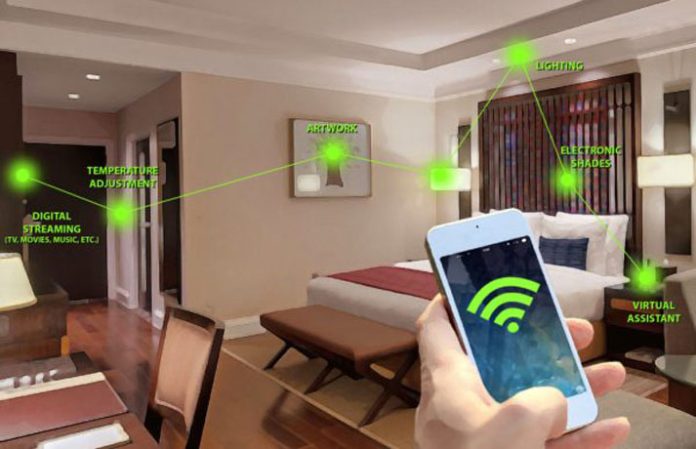
3. Smart Rooms (IoT, App/Voice Control)
The hotel room is becoming an interactive environment. Smart climate controls, lighting, curtains, voice or app-enabled commands, and seamless TV / streaming integration are becoming standard. This aligns perfectly with young travelers, who expect connectivity, personalization, and the ability to control everything from their device.
4. Guest Engagement Mobile Apps
Hotel apps are no longer just for booking. They serve as a communication hub where guests can manage reservations, order room service, chat with staff, and receive personalized offers. This direct channel helps build loyalty and increases revenue through upselling, without relying on third-party platforms.
5. Sustainability Tech
Guests are increasingly eco-conscious, and hotels are responding with technology aimed at reducing energy use, managing water consumption, detecting leaks, and automatically adjusting HVAC systems using IoT. Beyond improving a hotel’s image, these solutions actively reduce operational costs, an ideal combination for a modern mid-market property.
6. Robotics and Automation
Automation has moved into the physical hotel space: delivery robots for room service, autonomous cleaning devices, and back-of-house logistics tools. While not yet essential for every property, piloting a delivery robot or automated cleaning solution can create differentiation.
Conclusion
For a modern, mid-market hotel targeting young adults, adopting these technologies isn’t about becoming a luxury property. It’s a strategic investment that enhances guest satisfaction, reduces operational overhead, and strengthens competitive positioning. Hotels can start by prioritizing solutions that integrate with Property Management System (PMS) / CRM (digital keys + guest app + AI concierge), then add scalable upgrades (smart rooms, robotics) as the property grows.